Case study · 2023
One partner instead of five: repositioning Intertec as a full-service agency
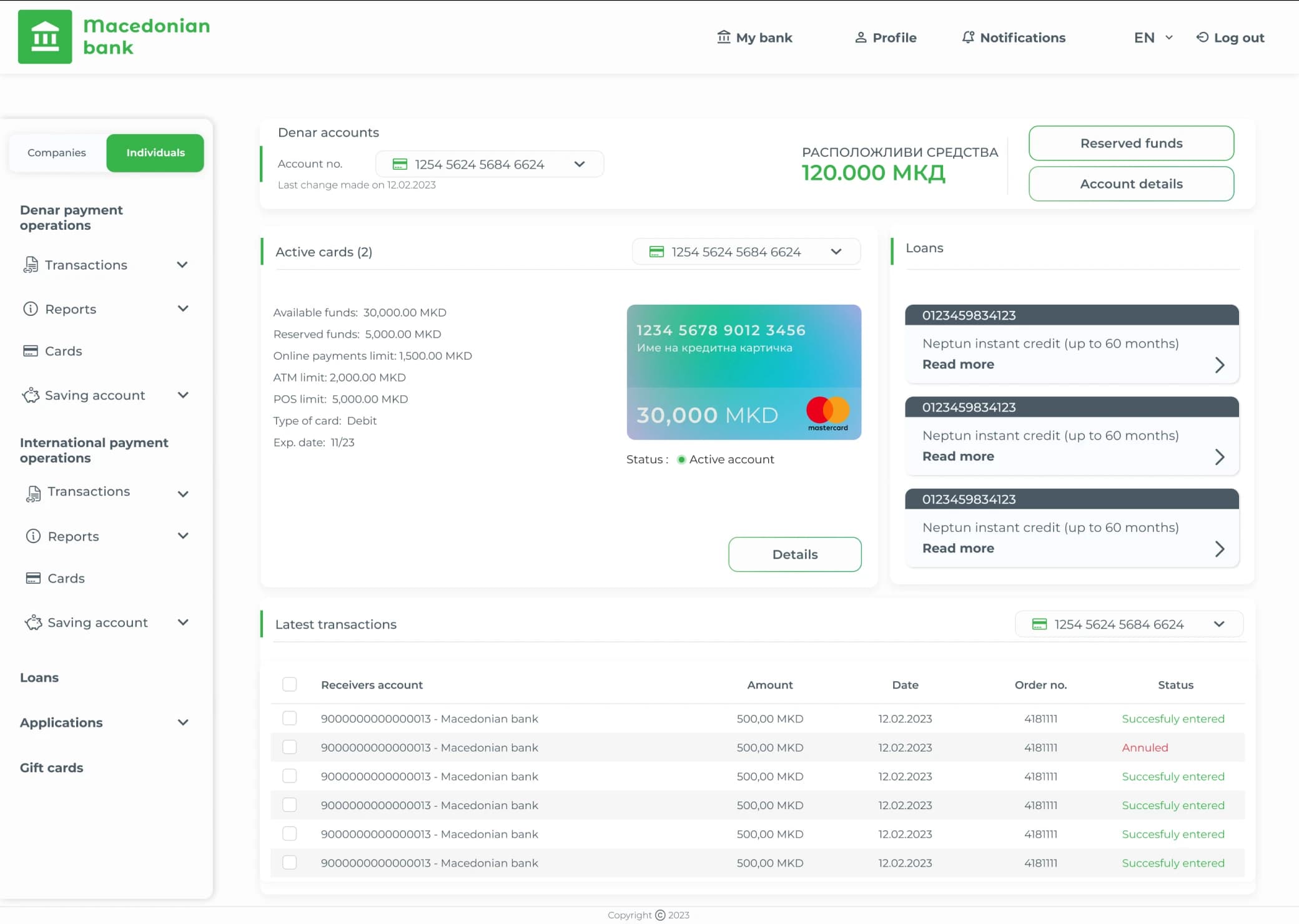
Intertec's clients were burning money coordinating separate agencies for IT, design, and marketing. I led the design of the website that repositioned them as the single partner for all of it, and shipped it on deadline after a start that nearly derailed the project.
- Intertec, IT company headquartered in Munich, office in Skopje
- UX/UI designer and team lead
- Division Marketing
- May to September 2023
- Research, information architecture, design direction, final designs, design team leadership (stakeholder management shared with our management)
The challenge
The cost of five feedback loops
Intertec's clients ran digitalization projects through multiple agencies: one for development, another for design, another for marketing. Every handoff added a feedback loop, and every loop added cost and delay. Intertec was upgrading its business model to end-to-end services, from ideation through development to scaling and marketing, and needed a website that made that repositioning credible to two audiences at once: existing clients who knew them as an IT shop, and prospects who had never heard of them.
The bar wasn't "explain the new services." It was "make a manufacturing CEO believe one company can replace his agency roster."
Before: three agencies
Client
After: one partner
Client
Intertec, end to end
Ownership
Stakeholder management aside, every design call was mine
I owned research, information architecture, design direction, the final designs, and the design team. Stakeholder management was shared with our management.
Decision 1
The start that went wrong, and what I did about it
Management tried to jump-start the project with wireframes before stakeholder interviews happened. The result: designs built on incomplete requirements, while stakeholders pulled in opposite directions. Some wanted marketing front and center in the new model; others insisted IT was the foundation.
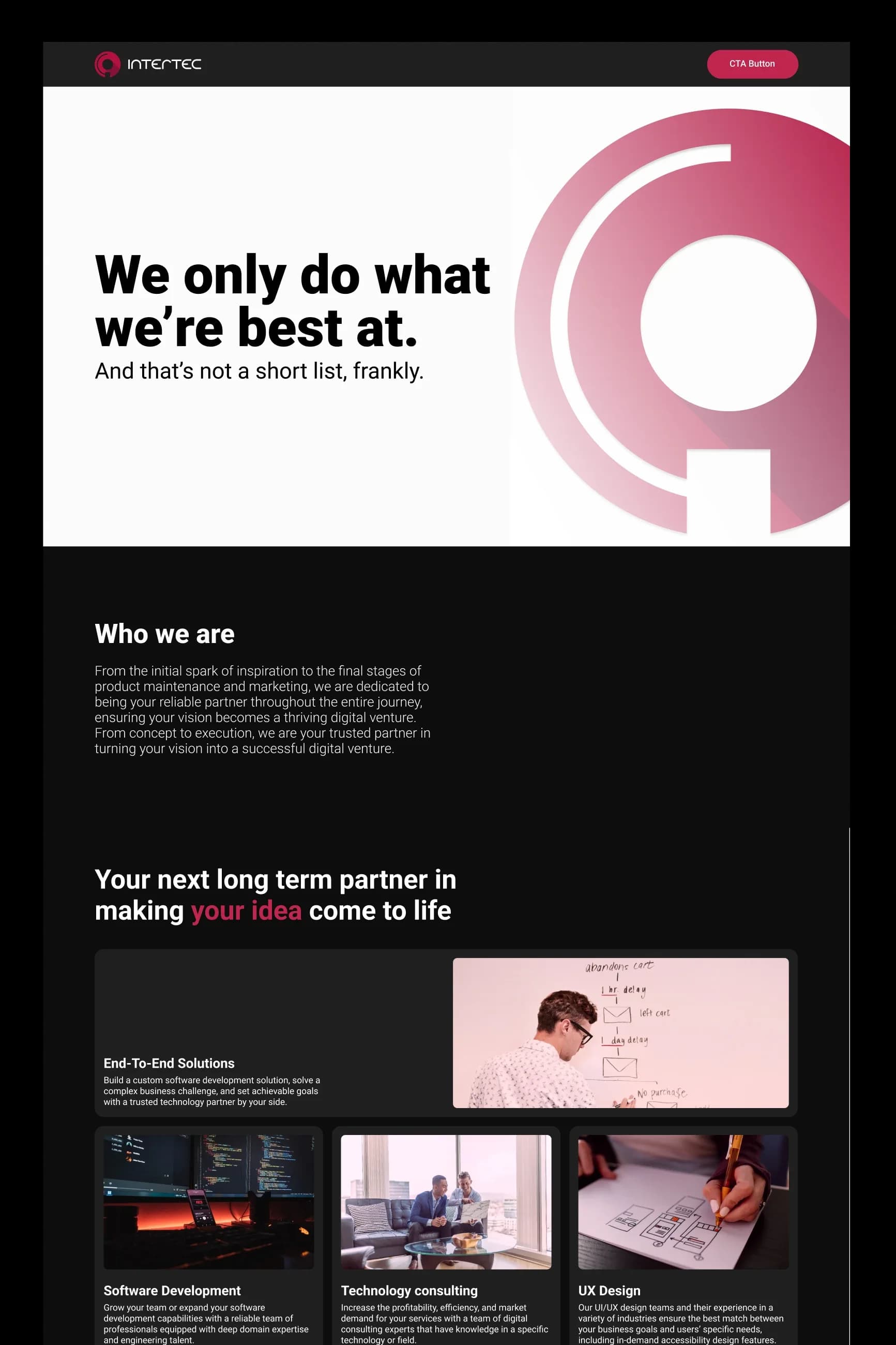
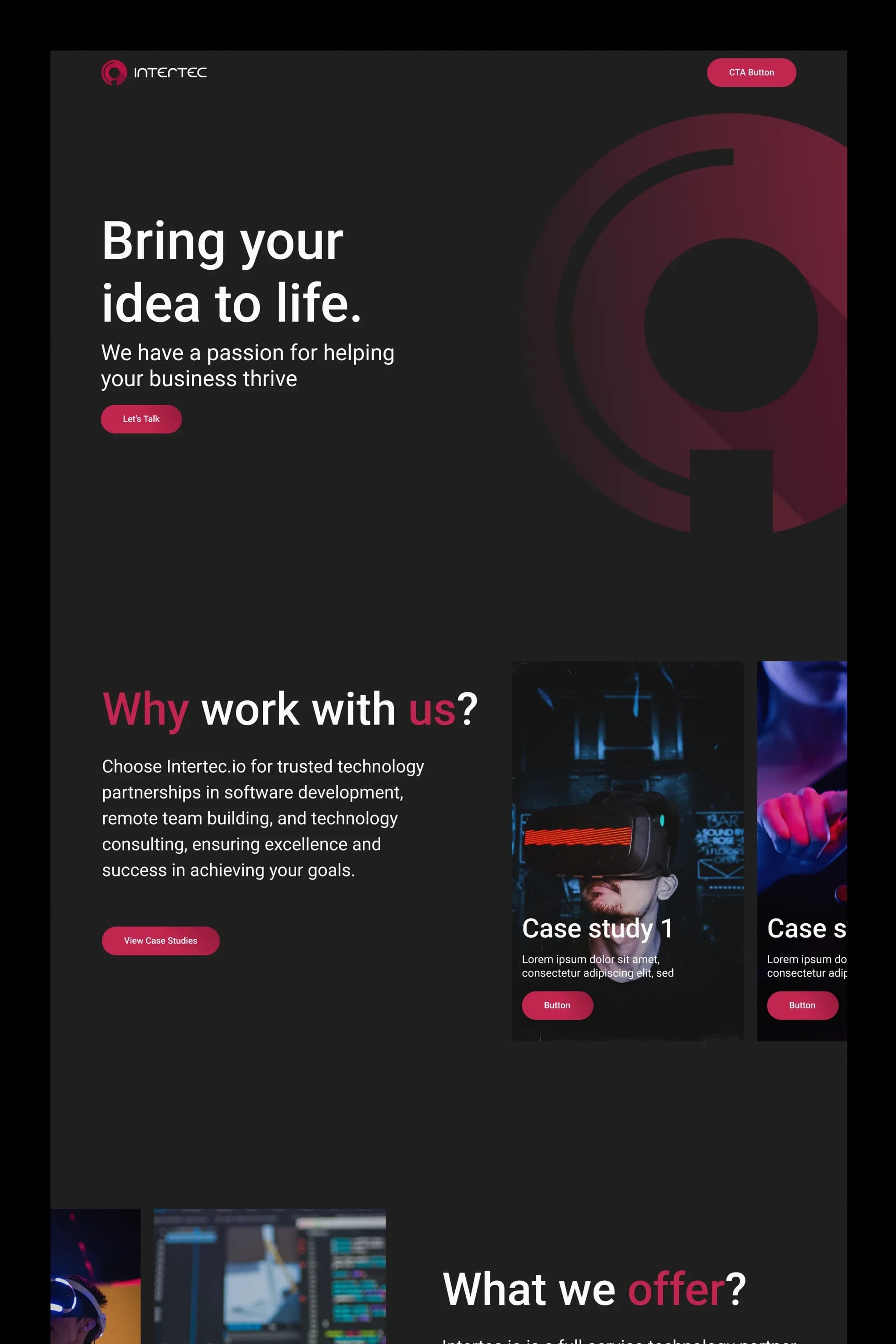
The call that mattered most in this project: I stopped designing. Pushing polished screens into that vacuum would have meant redesigning them after every stakeholder meeting. Instead I pushed for the delayed stakeholder interviews and used them to settle the open questions:
- Who we're designing for: manufacturing companies needing digitalization, growing businesses scaling their operations, and funded startups. Three personas, not "everyone with an IT budget."
- The story: end-to-end service as the central narrative, which dissolved the marketing-vs-IT turf war. Neither wins; the journey does.
- The tone: plain English, benefits over tech specs. Social proof placed prominently, because trust was the real product.
Understanding the problem
Research, compressed
I built three personas and mapped their journeys. The insight that shaped the site: these buyers don't evaluate capabilities, they evaluate risk. Gustav, a manufacturing CEO, needed proof of industry experience. Randal, a business unit manager, needed references he could hand to procurement. That's why the site structure leads with industries and case studies, not a services list.
Gustav, 56
“Stay up to date with technology to remain competitive. Increase profit margins.”
Background
Gustav has been in the chemical industry for over 20 years and inherited his company, a PVC products manufacturer, from his father. As the CEO of Merck he has surface-level knowledge of technology, but wants to stay relevant and on top of his competition. That is why he has an assistant who does the digital legwork for him.
Goals
- Enhance company operations
- Reduce costs
- Improve efficiency
- Drive growth for Merck Industries
Needs & expectations
- Custom software solutions
- Maintenance
- Seamless integration
- Industrial data processed and organized in one centralized place
Frustrations
- Limited time and expertise in marketing
- Low efficiency in manufacturing operations
- Limited employee training
- High feedback-loop cost
+2 more
- Limited knowledge of technology
- Finding a technology partner with industry-specific expertise
Randal, 45
“A company or team that adapts to an expansion or an increase in responsibility.”
Background
Randal manages a business unit at a large corporation and wants the best scalable partner on the market. Once he employs a company he trusts them long-term, because they build up experience in his field. His departments need scalable teams at different points of their projects, and a partner he can entrust fully.
Goals
- Meet market demands and ensure growth
- A partner that is highly recommended by other companies, and reliable
- Improve efficiency
- Flexible contracts
+1 more
- Achieve scalability by outsourcing
Needs & expectations
- Adaptable, scalable teams for company departments
- A partner with expertise in the field
- Client satisfaction kept high at the lowest possible cost
Frustrations
- New technologies in IT demand constant investment in employee training
- Workforce cost
- Feedback-loop cost
- The difficulty of finding an affordable one-stop solution
+1 more
- Legal limitations on contract and employment termination in the DACH region
Thomas, 35
“Employ my knowledge from the legal world in the digital space.”
Background
Thomas is an ambitious entrepreneur who recently founded Recht und Ordnung, a technology startup. He has a background in law, follows the latest trends, and is well-versed in emerging technologies. His product is an AI legal assistant, and he has just closed a funding round worth €200,000.
Goals
- Establish a strong brand presence
- Market penetration
- Build a customer base
- Develop robust software products
+1 more
- Launch the product successfully
Needs & expectations
- Full-service marketing and technology services
- Creative and UX solutions
- Software development
- Digital marketing
+2 more
- Fast results
- Strategic guidance and understanding of the startup's vision
Frustrations
- Limited budget and resources
- Navigating the complex technology landscape
- Breaking through the market and surviving as a new company
- Pressure from the investors
+1 more
- Self-imposed pressure and stress
Gustav · Phase 1 · Email · Word of mouth
Discover
How Gustav first hears a partner like this exists.
Actions
- Gets an email, or his assistant researches technology solutions for improving efficiency and reducing costs
Questions
- “Does this tech company offer services relevant to my industry and specific needs?”
Pain points
- Limited knowledge of technology
- Finding the right technology partner
- Leans on recommendations from trusted peers
Opportunities
- A website that showcases industry-specific expertise
- Clearly highlight relevant services and features
- Build a reputation in the industry that earns peer recommendations
Gustav · Phase 2 · Website
Use
Gustav explores the website and sizes the company up.
Actions
- Visits the website of a tech company offering software development, marketing, and consultations
Questions
- “Do they have expertise in the chemical field?”
- “Can I rely on them?”
Pain points
- Difficulty understanding the relevance and fit of the company's services
Opportunities
- Clear and intuitive navigation
- Detailed information about the company's expertise and services
Gustav · Phase 3 · Consultation
Decision
The consultation that decides whether trust is earned.
Actions
- Requests a consultation to discuss Merck Industries' requirements
Questions
- “Will Intertec be able to understand and address our specific needs?”
- “How will the chosen technology solutions integrate with our existing systems?”
Pain points
- Relies on referrals from trusted peers
Opportunities
- Personalized consultations that dig into the requirements
- Detailed proposals addressing the specific needs
- Positive referrals and social proof from trusted peers
Gustav · Phase 4 · Implementation
Experience
The project runs; expectations meet reality.
Actions
- Expects seamless integration and support from the tech company during implementation
Questions
- “Will the tech company provide regular updates and proactive communication?”
- “Will I make profit?”
Pain points
- Fear of disruption to operations and lack of progress updates
Opportunities
- Seamless integration with existing systems
- Proactive communication and support
- Statistics and benefit-oriented social proof on the landing page
- Offer and upsell tech consulting
I also rewrote the service naming with the team in a brainstorming session, grouping technical offerings into plain-English categories a non-technical visitor could scan.
Home Page
- What We Do
- Augmenting Agile Teams
- Product Development
- Agile & Tech Consultancy
- Digital Product Design
- Technologies
- JavaScript
- Java
- DevOps
- Machine Learning
- Who We Work With
- Manufacturing
- Innovation labs
- Startups
- How We Operate
- How We Ensure Quality
- How We Promote Growth
- Our Technical Guilds
- Insights
- Case Studies
- Blog
- Careers
- Join Intertec
- Career Development
- Growing Together
Decision 2
The concept that sold the repositioning
I facilitated a team ideation session and we pitched several visual concepts to stakeholders. The winner: a hero where sticky notes transform into a technical drawing and then a paper plane, the client journey from idea to launch, told in one scroll. It gave the "one-stop shop" claim a visual argument instead of a slogan.
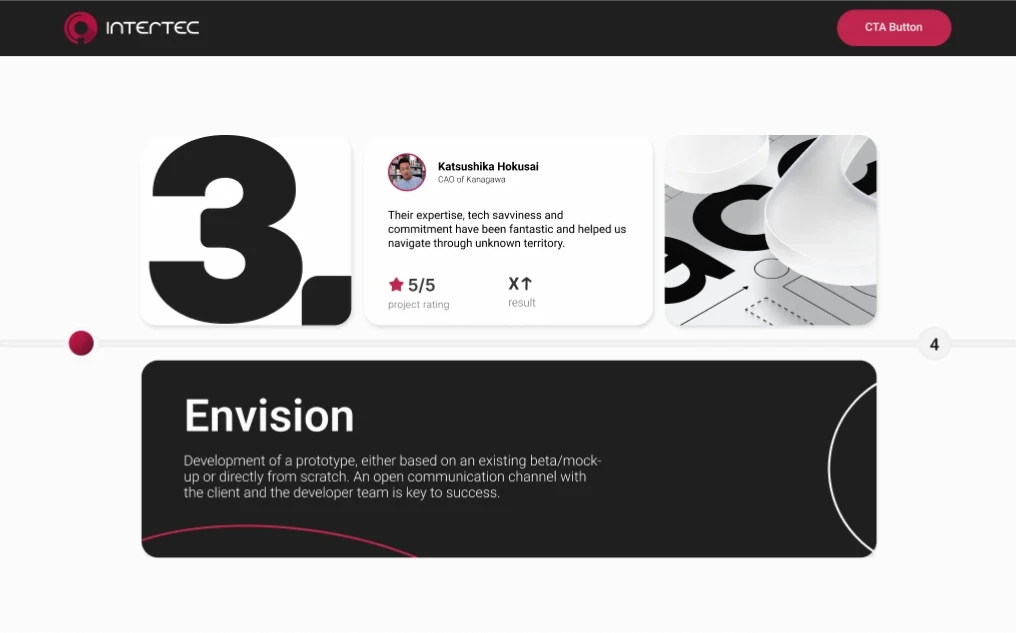
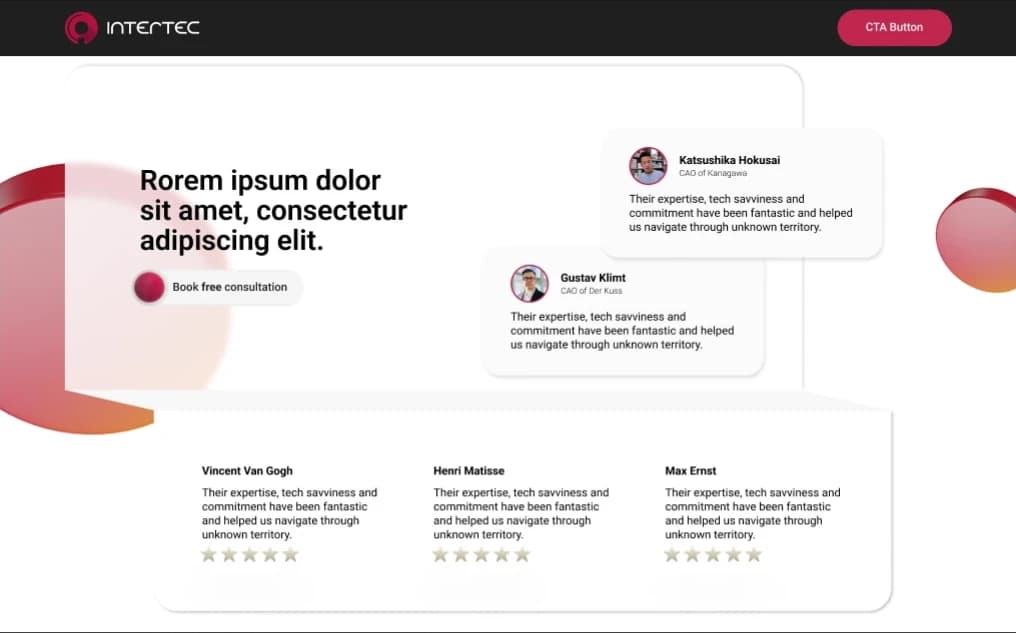
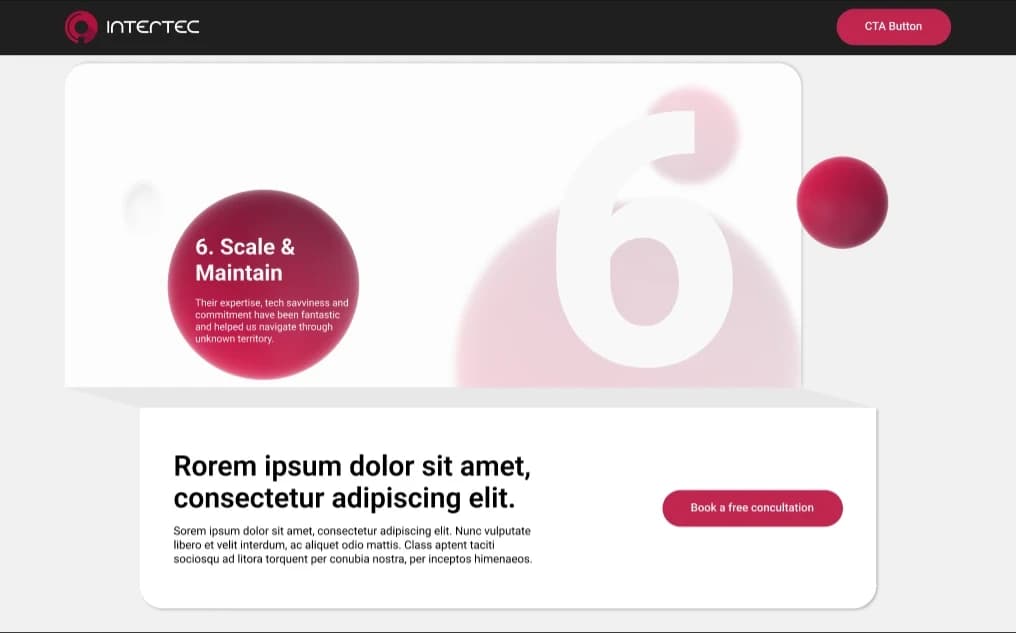
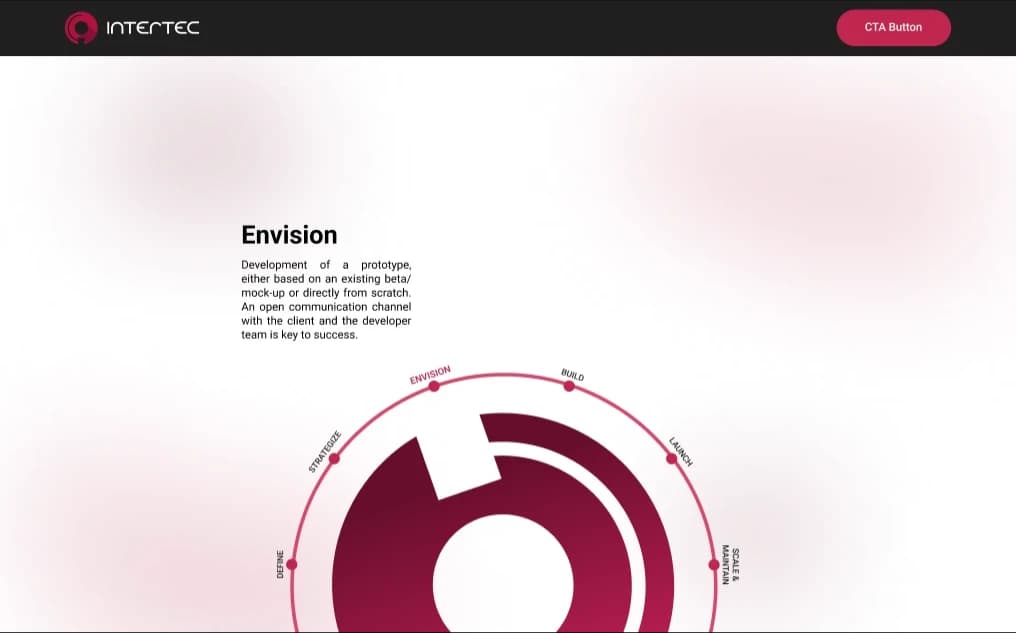
Ideation sketches

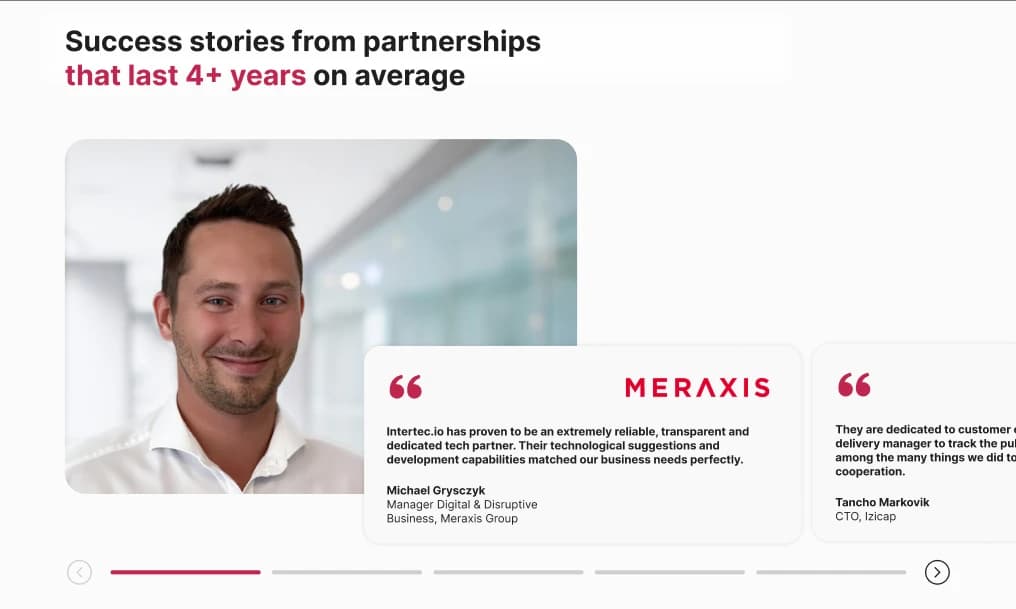
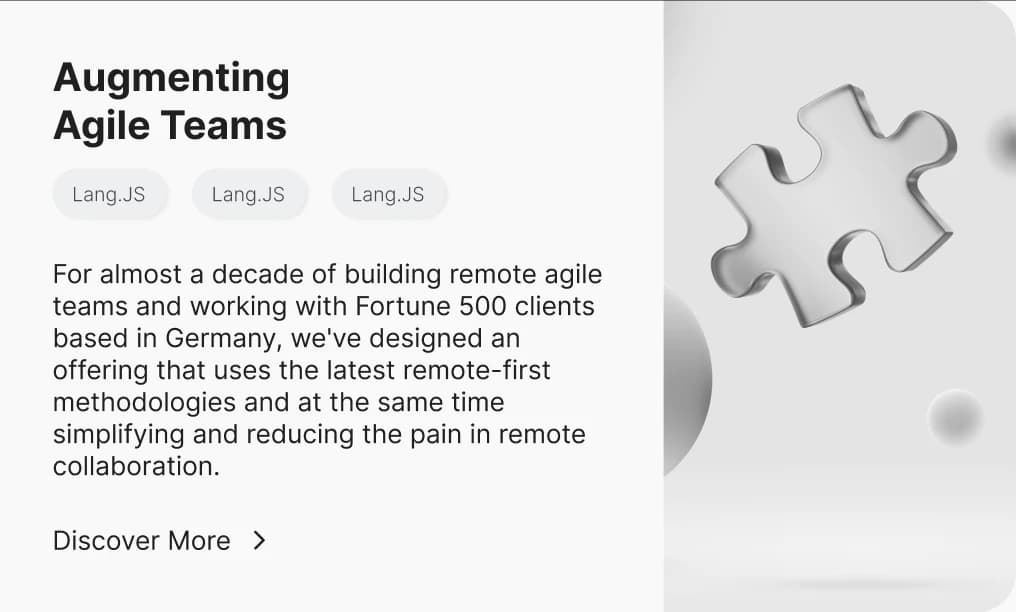
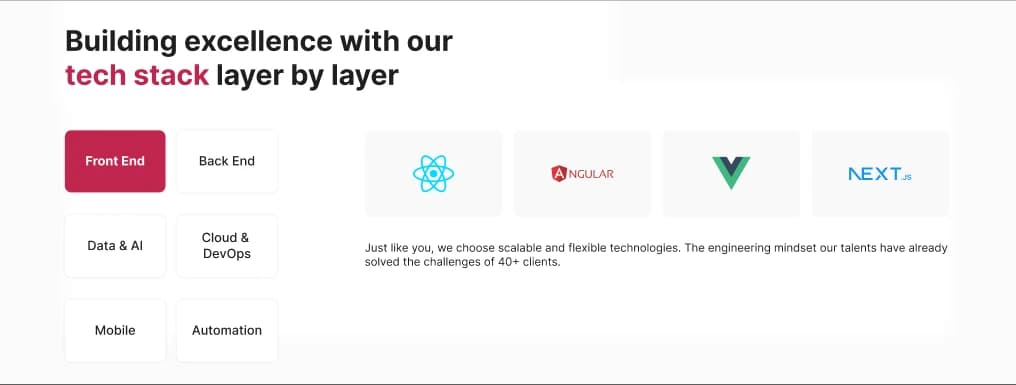
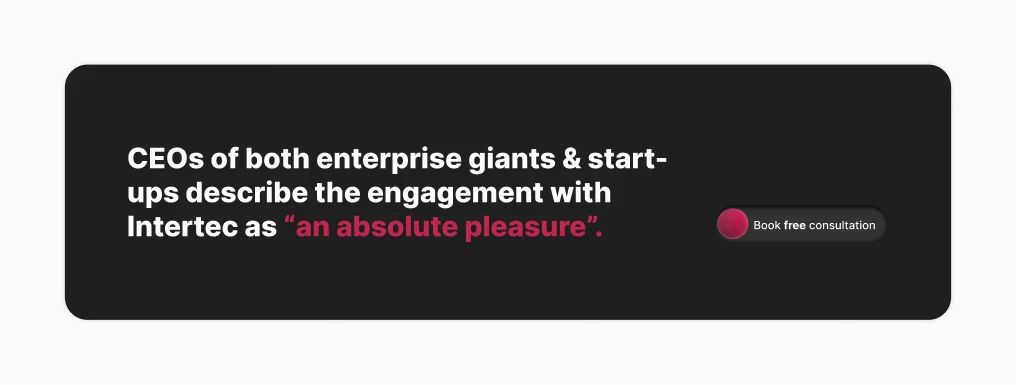
To move fast on the remaining pages, I built the design as a modular system: testimonial, service card, tech stack, and CTA components reused across the site.
Decision 3
Shipping under pressure
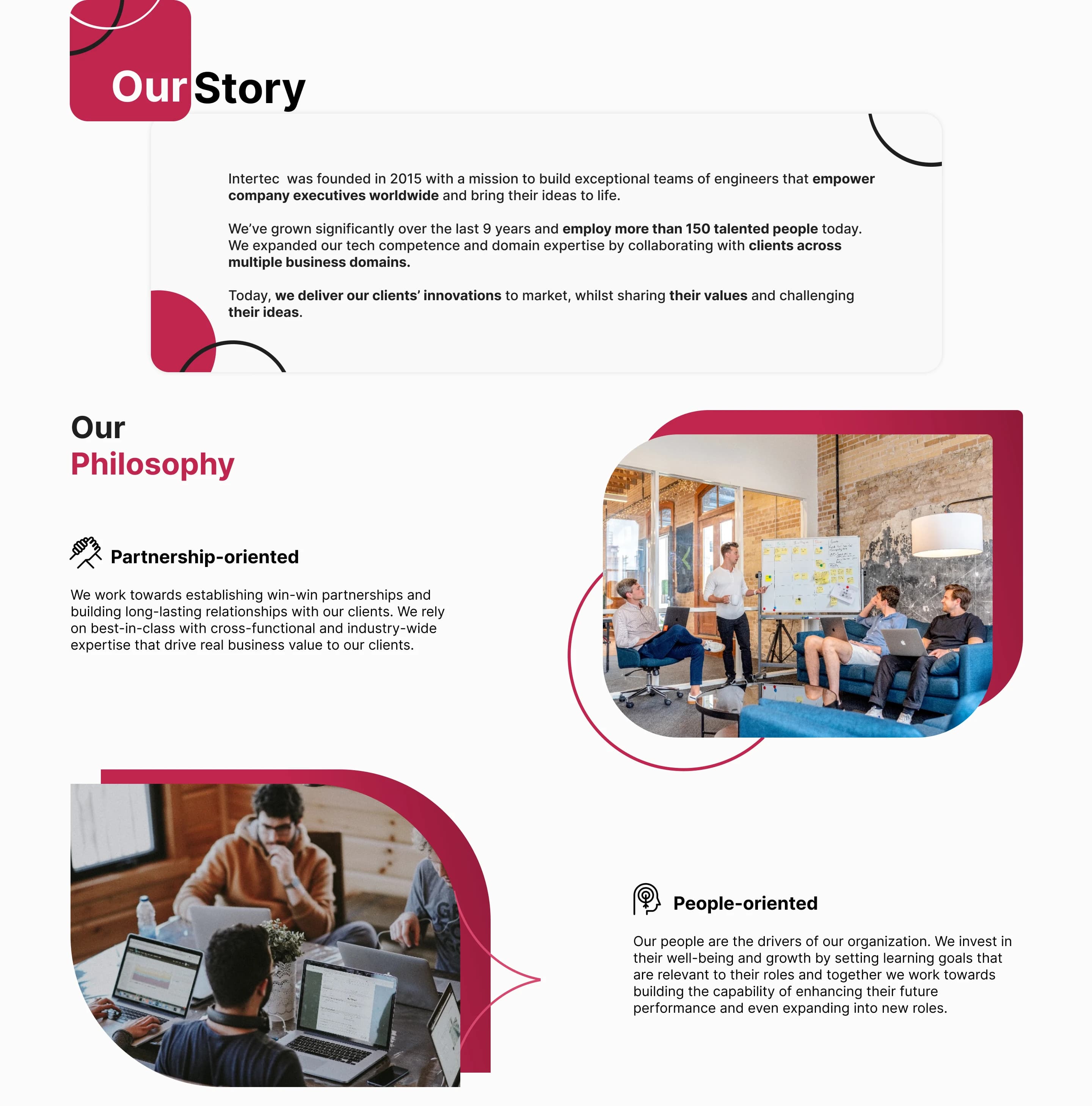
Extra designers joined to hit the deadline. One inner page, built by multiple hands under time pressure, drifted off-style and slipped through my review. I caught it late, fixed it fast, and tightened the review process for the remaining pages. Not a pleasant miss, but the kind you only prevent by owning it.


Results
What shipped, and what stuck with me
The site launched on deadline with the full repositioning intact: industries-first navigation, end-to-end narrative, social proof throughout. Intertec got a website that argues for their new business model instead of just announcing it.
Lessons learned
Three things this project hardened in me
- Requirements before wireframes, every time. The two dead-end concepts cost us weeks. The stakeholder interviews we should have started with settled everything in days.
- In B2B, your user is your client's client. The site works because it answers Gustav's risk questions, not because it lists Intertec's stack.
- As a lead, review is the job. Talent plus deadline pressure still produces drift. Catching it is on me.